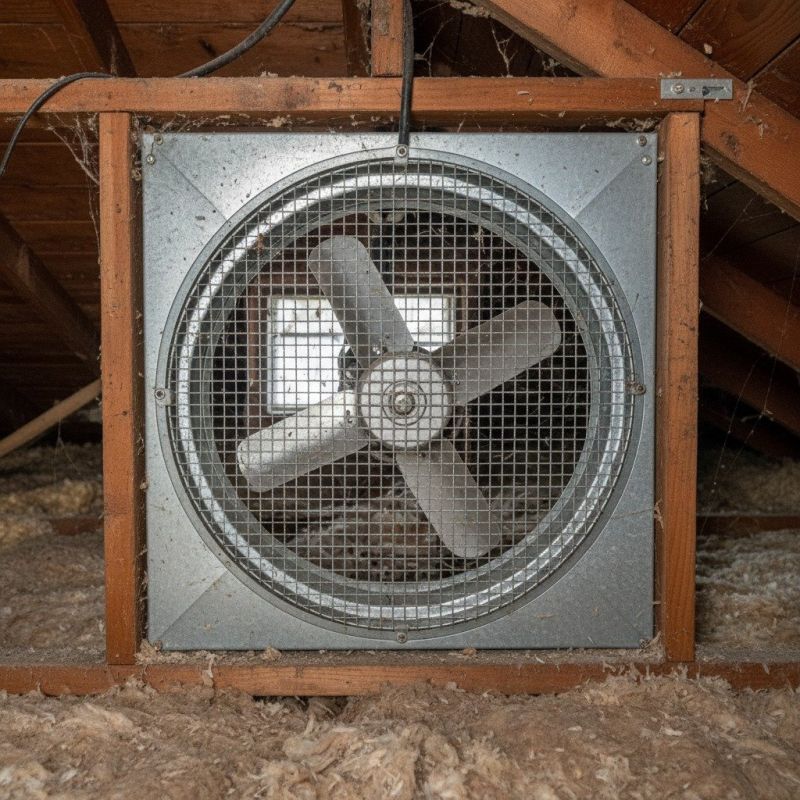
Roof Fan Installation in Provo, UT
Roof fan installation services involve adding vent fans to a building’s roof to improve airflow and ventilation. These systems are commonly used in attics, workshops, or other spaces where proper air circulation is essential. Projects can range from installing a single exhaust fan to more complex setups that include multiple fans and integrated ventilation systems. Property owners typically want to understand how roof fans can help reduce heat buildup, control moisture, and enhance overall indoor air quality, especially in warmer months or in areas prone to humidity.
Before requesting roof fan installation, homeowners should consider factors such as the type of roof, existing ventilation setup, and the desired outcomes for airflow and temperature control. It’s also helpful to know the size and layout of the space to determine the appropriate fan capacity. Proper planning ensures that the installation will effectively address specific ventilation needs and fit seamlessly with the roof’s structure.
Many property owners in Provo, UT look into Roof Fan Installation for repairs, replacements, upgrades, and appearance-related improvements.
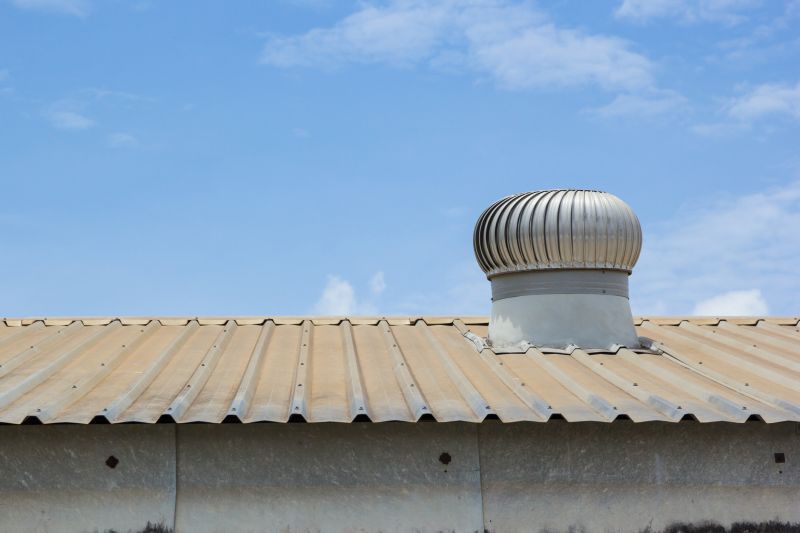
Benefits Of Roof Fan Installation
Proper roof fans improve attic ventilation and help regulate indoor temperatures.
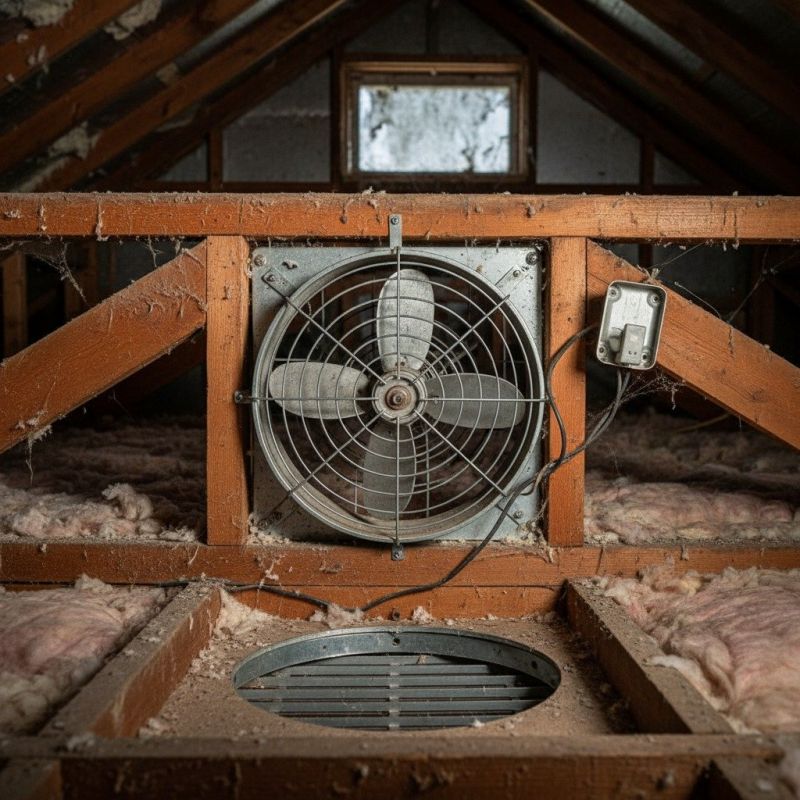
Common Roof Fan Projects
Roof fans are often installed to reduce heat buildup and prevent moisture issues in provo homes.
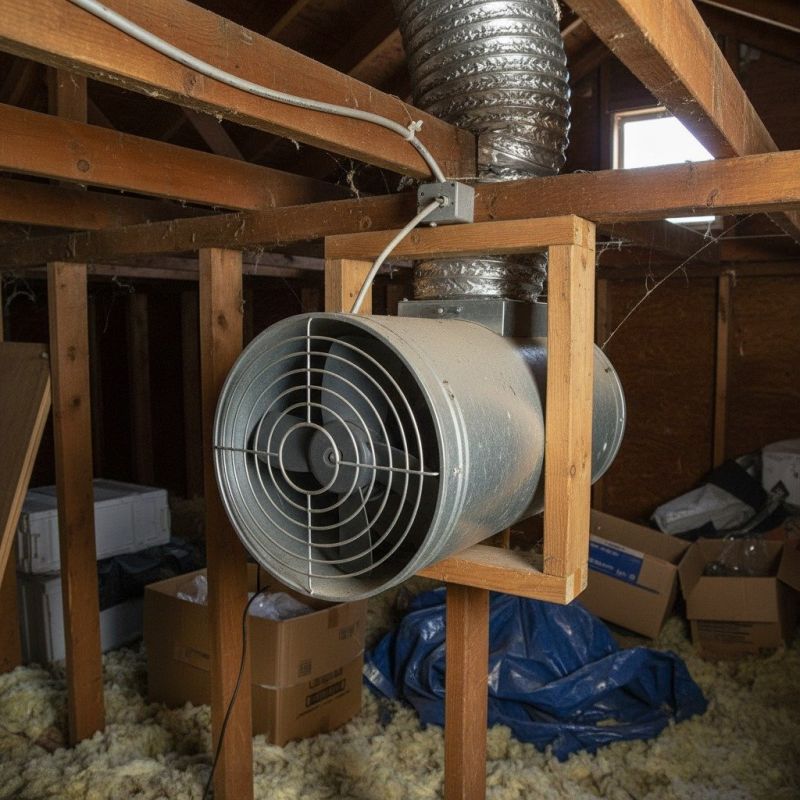
Key Factors To Consider
Choosing the right roof fan depends on roof size, ventilation needs, and local building codes.
Roof Fan Installation in Provo, UT
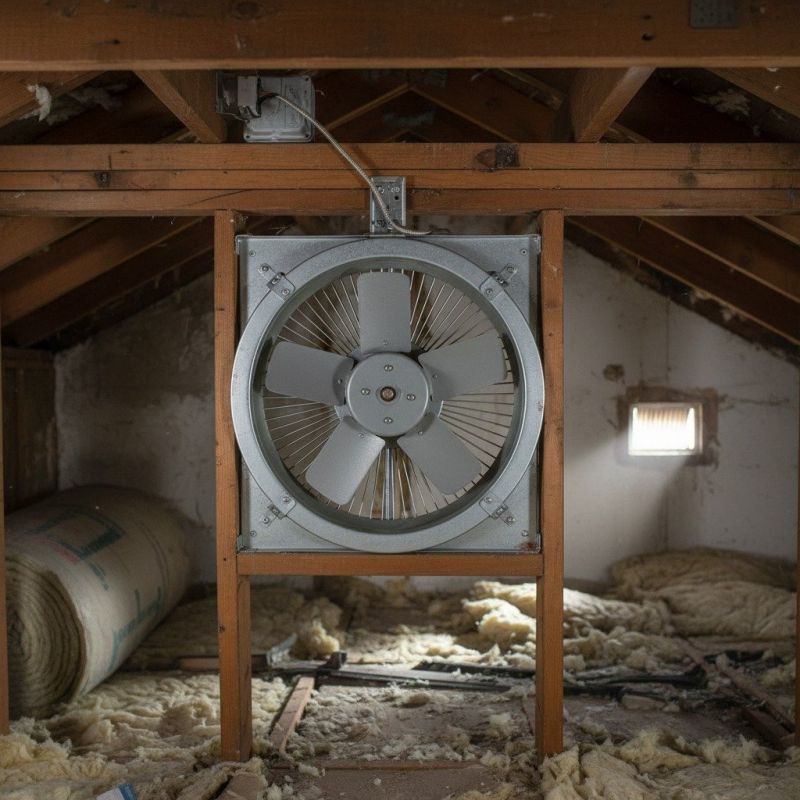
Roof fan installation services involve adding vent fans to a building’s roof to improve airflow and ventilation. These systems are commonly used in attics, workshops, or other spaces where proper air circulation is essential. Projects can range from installing a single exhaust fan to more complex setups that include multiple fans and integrated ventilation systems. Property owners typically want to understand how roof fans can help reduce heat buildup, control moisture, and enhance overall indoor air quality, especially in warmer months or in areas prone to humidity.
Before requesting roof fan installation, homeowners should consider factors such as the type of roof, existing ventilation setup, and the desired outcomes for airflow and temperature control. It’s also helpful to know the size and layout of the space to determine the appropriate fan capacity. Proper planning ensures that the installation will effectively address specific ventilation needs and fit seamlessly with the roof’s structure.
Many property owners in Provo, UT look into Roof Fan Installation for repairs, replacements, upgrades, and appearance-related improvements.
Common Roof Fan Installation Jobs
Attic Ventilation - Roof fans help improve airflow and reduce heat buildup in attics.
Energy Efficiency - Proper roof fan installation can lower cooling costs during hot months.
Moisture Control - Installing roof fans helps prevent excess moisture and mold growth.
Roof Ventilation Upgrades - Replacing or adding roof fans enhances overall attic ventilation systems.
Weather Damage Prevention - Roof fans assist in reducing wind and storm-related stress on roofing materials.
Home Comfort - Properly installed roof fans contribute to a more consistent indoor temperature.
Roof Fan Installation Questions
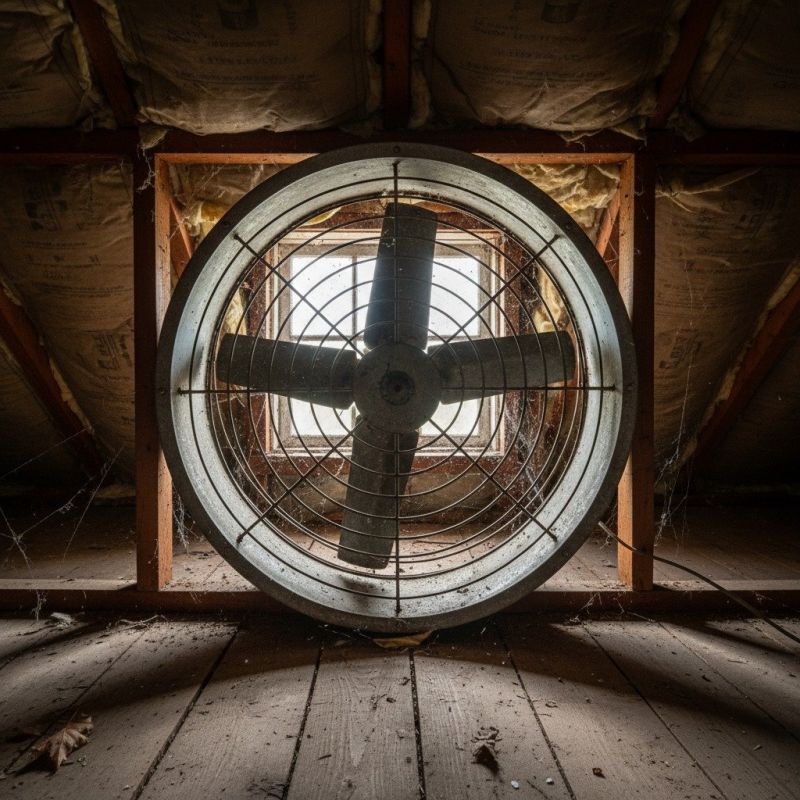
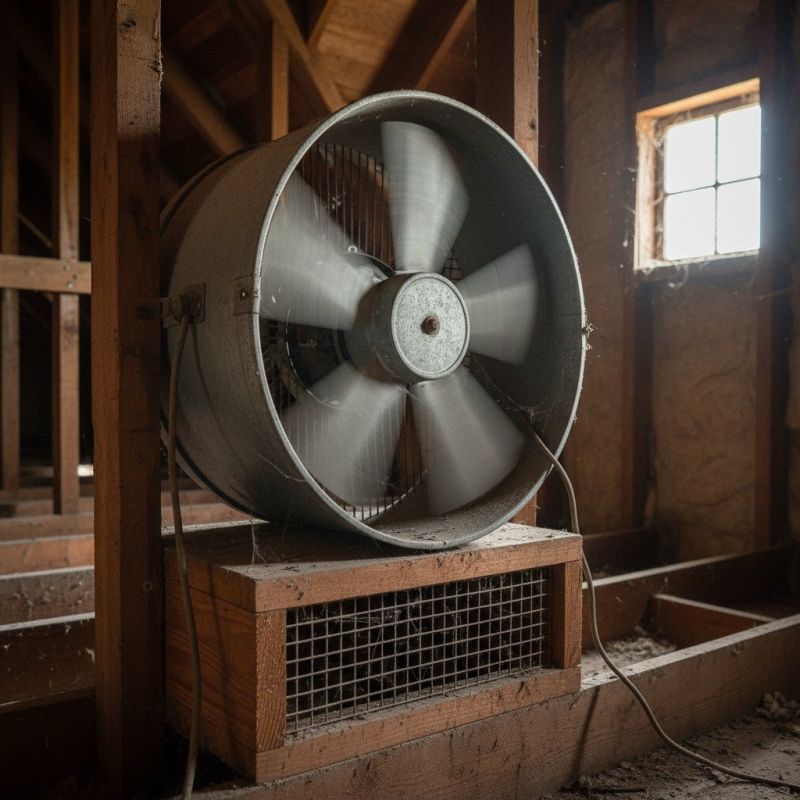
What is a roof fan installation? It involves adding a ventilation fan to improve airflow and reduce heat buildup inside a building’s attic or roof space.
Why install a roof fan? Roof fans help regulate temperature, prevent moisture buildup, and enhance overall roof ventilation efficiency.
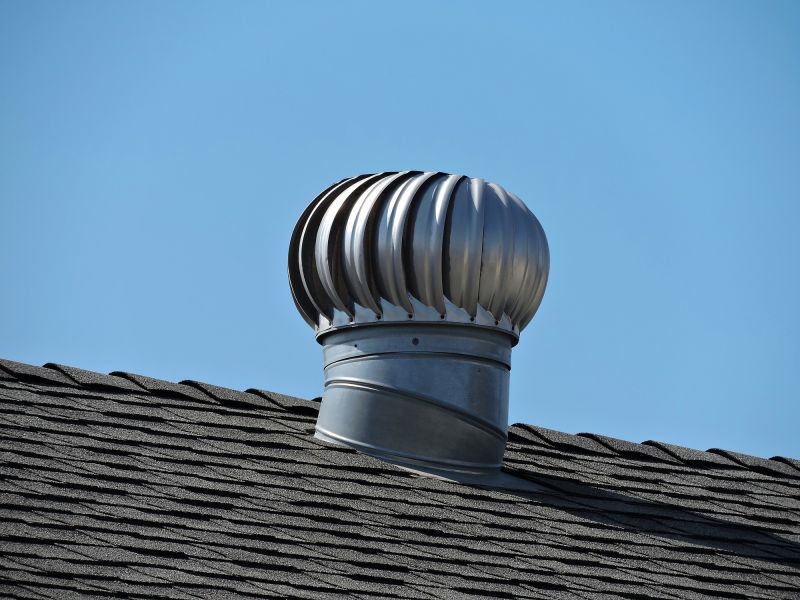
What types of roof fans are available? Common options include attic exhaust fans, turbine vents, and powered ventilation fans tailored to different roof types.
Is roof fan installation suitable for all roofs? Most roof types can accommodate a fan, but specific suitability depends on roof design and structure. Consulting a professional is recommended.
Request Roof Fan Installation in Provo, UT
Use the quote form on this page to share the basics of your project and request more information for the type of work you need.