Get Wall Heating Installation
Local contractors can install wall heating systems to improve comfort, replace outdated units, or support new construction projects in residential or commercial properties.
Wall heating installation can be an effective way to improve comfort and efficiency within a property. Property owners in the area may consider this option to create a consistent heat source, optimize space utilization, or enhance the overall climate control system. Exploring local contractors can help identify practical solutions tailored to specific needs, ensuring the project aligns with the property's layout and design.
For those planning to upgrade or install wall heating, understanding the available options and comparing local service providers can make the process more straightforward. Connecting with experienced local contractors allows property owners to gather insights, evaluate different approaches, and choose the best fit for their project. Continuing to explore your options can lead to a well-informed decision that supports long-term comfort and functionality.
- Wall Heating Installation - when upgrading an existing heating system for improved comfort and efficiency.
- New Construction Wall Heating - during the development of new buildings requiring integrated heating solutions.
- Retrofit Wall Heating - when replacing outdated or inefficient heating methods in older homes.
- Commercial Wall Heating - for businesses seeking effective heating options for office or retail spaces.
- Bathroom Wall Heating - to add targeted warmth and comfort in residential or commercial bathrooms.
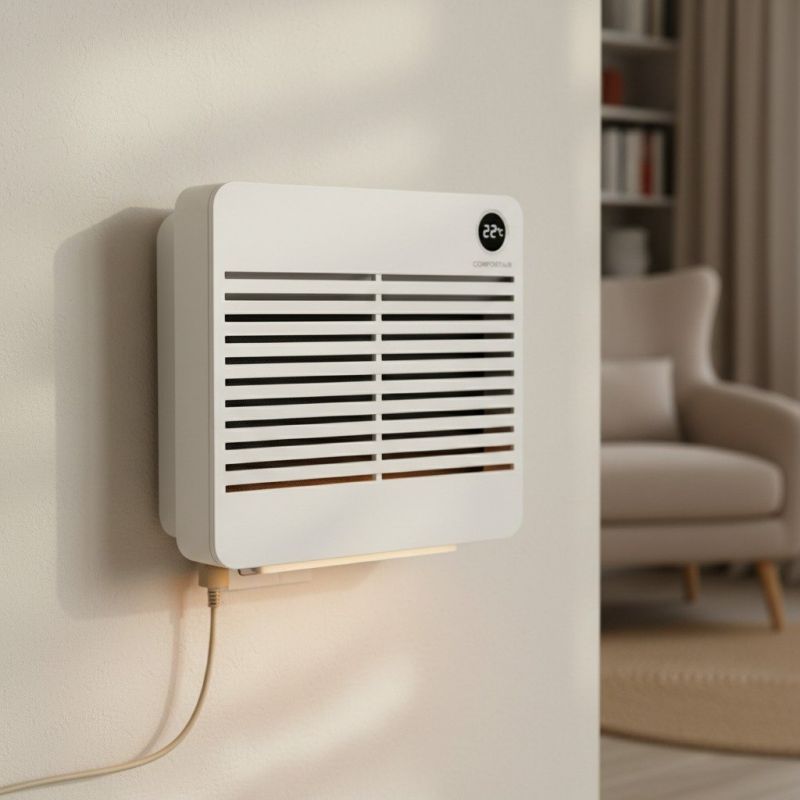
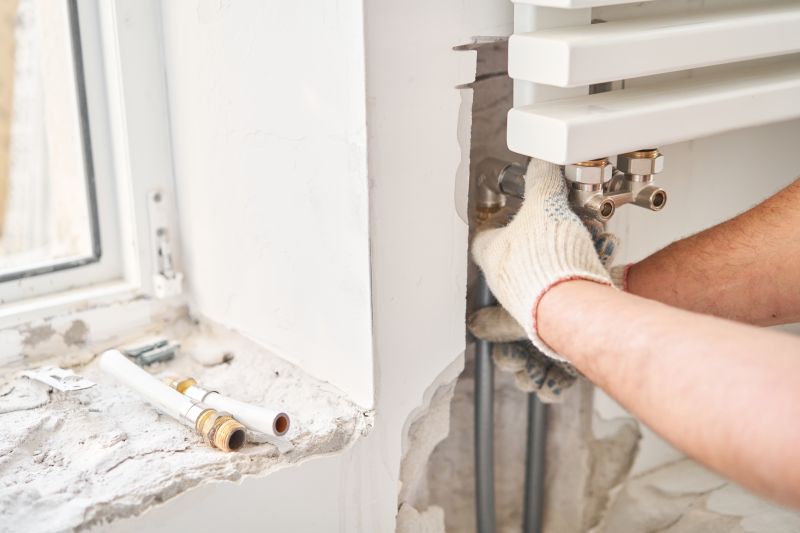
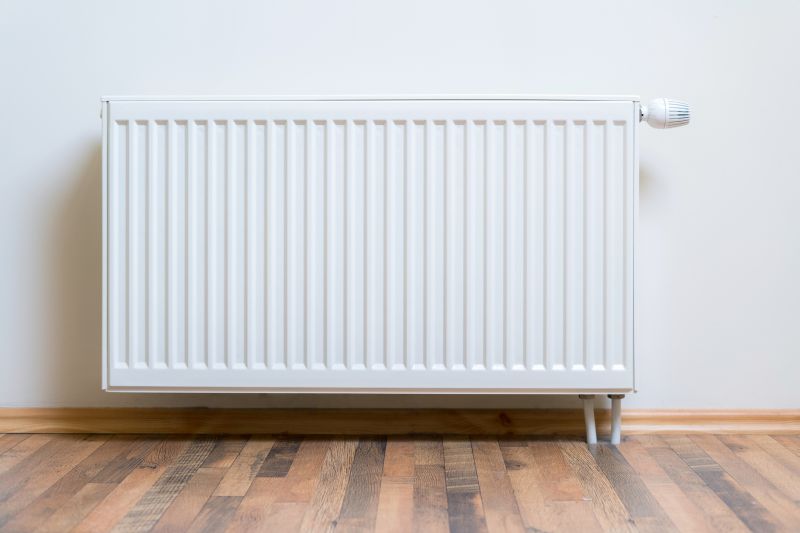
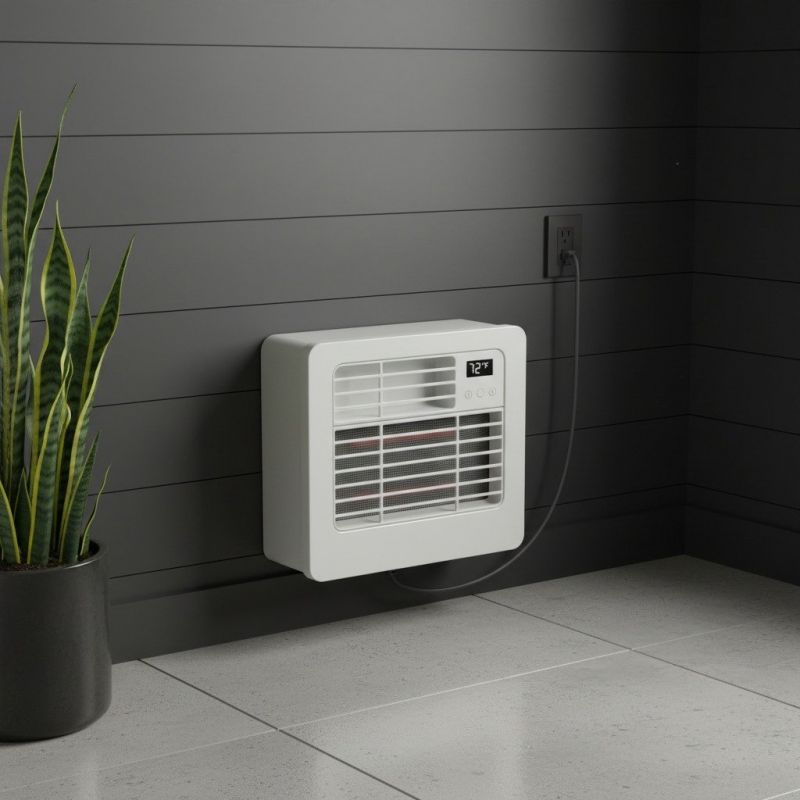
Wall heating installation services involve setting up a heating system that warms a space through panels or radiators mounted directly on interior walls. This type of heating is often chosen for its efficient heat distribution and ability to provide consistent warmth throughout a room. Professional contractors handle the entire process, from assessing the property’s layout and insulation to installing the panels or radiators and connecting them to the existing heating source. Proper installation ensures the system operates safely and effectively, offering a reliable way to keep indoor environments comfortable during colder months.
This service helps solve common heating problems such as uneven warmth, high energy costs, or outdated heating systems that no longer perform well. Wall heating can be especially beneficial in homes where traditional forced-air systems create drafts or noise. It also offers a space-saving solution that doesn’t interfere with furniture placement or interior design. Whether a property experiences cold spots, high utility bills, or simply needs a more efficient heating method, professional wall heating installation can address these issues by providing targeted, consistent heat.
Typically, wall heating installation is suitable for a variety of property types, including single-family homes, apartments, and small commercial buildings. It is often installed during renovations or new construction projects but can also be added to existing properties looking to upgrade their heating systems. The compact nature of wall-mounted panels makes them ideal for properties with limited space or those seeking a discreet heating option. Local service providers can evaluate the specific needs of each property and recommend the best type of wall heating system to ensure optimal comfort and efficiency.
Homeowners considering wall heating installation should look for signs that their current heating system may be underperforming or no longer meets their needs. These include inconsistent room temperatures, rising energy bills, or the desire for a quieter, more unobtrusive heating solution. By working with experienced local contractors, homeowners can ensure the installation is done correctly and tailored to their property’s requirements. This service provides a practical way to enhance indoor comfort, especially in spaces where traditional heating methods fall short or are less desirable.
The overview below groups typical Wall Heating Installation projects into broad ranges so you can see how smaller, mid-sized, and larger jobs often compare in your area.
In many markets, a large share of routine jobs stays in the lower and middle ranges, while only a smaller percentage of projects moves into the highest bands when the work is more complex or site conditions are harder than average.
Smaller Repairs - Many routine wall heating repair jobs typically cost between $250 and $600, covering tasks like fixing leaks or replacing damaged panels. These projects are usually straightforward and fall within the lower to mid-range of typical costs.
Partial Installation - Installing new wall heaters or upgrading existing systems generally ranges from $1,000 to $3,000 for many local service providers. Larger, more complex projects can reach $4,000 or more, but most jobs fall into this middle tier.
Full System Replacement - Replacing an entire wall heating system often costs between $3,500 and $7,000, depending on the size of the space and the type of equipment used. Many homeowners find their projects land within this range, with fewer reaching higher costs.
Large or Custom Installations - Larger, more complex projects, such as custom installations or multi-room systems, can exceed $8,000 and may go higher for very extensive setups. These are less common but are handled by experienced local contractors for suitable projects.
Actual totals will depend on details like access to the work area, the scope of the project, and the materials selected, so use these as general starting points rather than exact figures.
Radiant Floor Heating Installation - This project involves installing heating systems beneath floors, requiring similar planning and expertise as wall heating setups to ensure even heat distribution.
Hydronic Heating System Setup - Installing hydronic systems involves working with piping, boilers, and controls, which shares skills with wall heating installation for efficient heat delivery.
Underfloor Heating System Replacement - Replacing existing underfloor heating shares technical knowledge of heating components and careful planning comparable to wall heating services.
Baseboard Heater Installation - Installing baseboard heaters involves electrical and space planning skills similar to those needed for wall-mounted heating solutions.
Ductless Mini-Split System Installation - Setting up ductless heat pumps requires understanding of climate control systems, akin to wall heating in terms of planning and technical work.
Electrical Wiring for Heating Systems - Electrical work for various heating appliances involves skills that are directly applicable to installing wall-mounted heating units safely and effectively.
When evaluating potential contractors for wall heating installation, it’s important to consider their experience with similar projects. A service provider who has handled wall heating systems comparable to what is needed can often bring valuable insights and practical knowledge to the job. Homeowners should inquire about the types of projects the contractor has completed, ensuring they have a track record of installing or servicing systems similar in scope and complexity. This helps build confidence that the contractor understands the specific requirements and challenges associated with wall heating, leading to a smoother installation process.
Clear, written expectations are essential when comparing local contractors. A reputable service provider will be able to provide detailed descriptions of the work scope, materials to be used, and any relevant procedures or standards. Having this information in writing helps prevent misunderstandings and ensures everyone is aligned on what the project entails. Homeowners should seek out contractors who are transparent about their process and willing to outline what the installation will involve, so expectations are well-defined from the start.
Good communication and reputable references are key indicators of a reliable contractor. Service providers who are responsive, willing to answer questions, and provide references from previous clients demonstrate professionalism and accountability. Contacting references can offer insights into the contractor’s work quality, punctuality, and how well they manage client relationships. When comparing options, homeowners should prioritize local contractors known for clear communication and positive feedback from past customers, as these qualities often contribute to a more satisfactory project experience.
Property owners use Wall Heating Installation services for practical projects around their homes and businesses. This guide focuses on everyday jobs and straightforward project options.
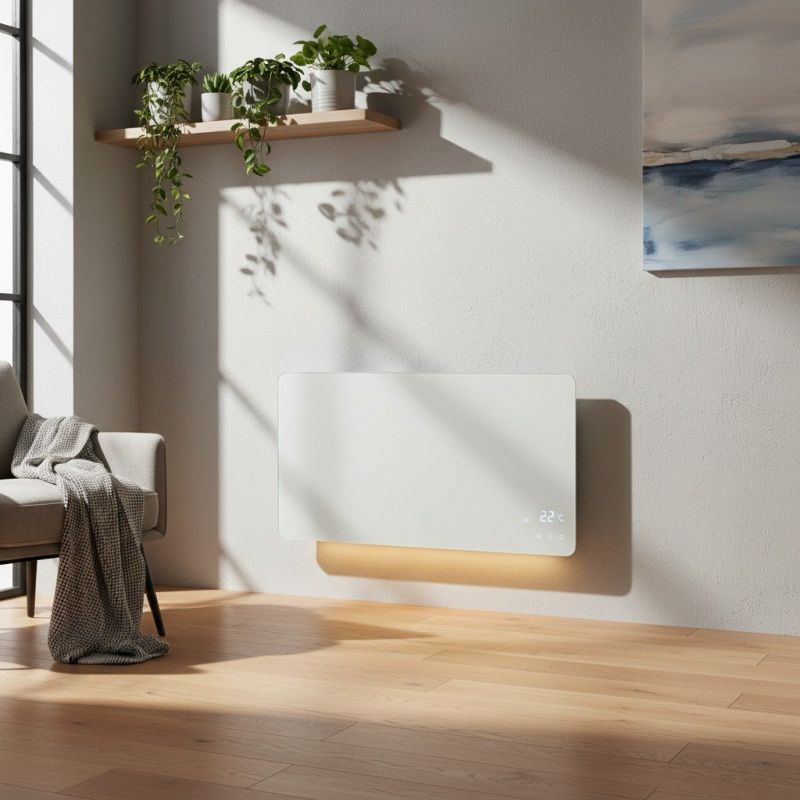
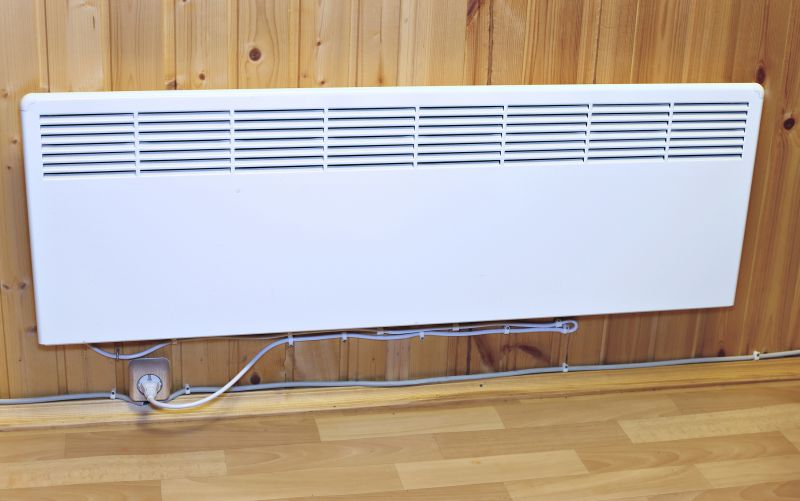
Wall heating installation services are often sought after by property owners dealing with uneven or inefficient heating in their homes or commercial spaces. Whether upgrading an older system or installing a new setup to improve comfort, many individuals look for local contractors who can handle the specialized work of integrating wall-mounted heating units seamlessly into their properties. These projects can arise during renovations, new builds, or when replacing outdated heating solutions, making it essential to find experienced service providers familiar with local building codes and preferences.
Property owners in the area may also seek wall heating installation when aiming for a space-saving heating option that offers consistent warmth without taking up floor space. Local contractors can assist with assessing the best placement for wall units, ensuring proper connections, and providing reliable installation tailored to the specific needs of each property. Connecting with nearby service providers can help simplify the process and ensure that the project aligns with the property's layout and heating requirements.
What are wall heating systems? Wall heating systems are a type of heating that involves installing heating elements within or on the walls to provide consistent warmth throughout a space.
How do local contractors install wall heating? Local service providers typically assess the space, select appropriate heating elements, and install them within the walls to ensure efficient and effective heat distribution.
Are wall heating systems suitable for all types of buildings? Wall heating can be installed in many building types, but suitability depends on the structure and existing infrastructure; consulting with local contractors can help determine compatibility.
What are common types of wall heating options? Common options include electric wall panels, hydronic (water-based) wall systems, and infrared wall heaters, each suited to different needs and preferences.
How can I find local pros to install wall heating? Interested individuals can contact service providers in their area who specialize in wall heating installation to compare options and get connected with qualified contractors.
Wall Heating Installation for Renovations - Incorporate wall heating systems into home remodels to improve comfort and efficiency during upgrades.
Adding Heating to New Constructions - Install wall heaters in newly built properties to provide consistent warmth in living or working spaces.
Upgrading Old Heating Systems - Replace outdated or inefficient heating methods with modern wall heating solutions for better performance.
Creating Zone-specific Heating Areas - Use wall heaters to target specific rooms or zones, enhancing comfort in areas with different heating needs.
If you are thinking about Wall Heating Installation for a property, this guide is meant to help you understand the work, the typical project types, and how different options might fit your plans.
When you are ready, you can use the quote form on this page to share a few details about your project. From there, local pros can review the basics and respond with options that match what you have in mind.